
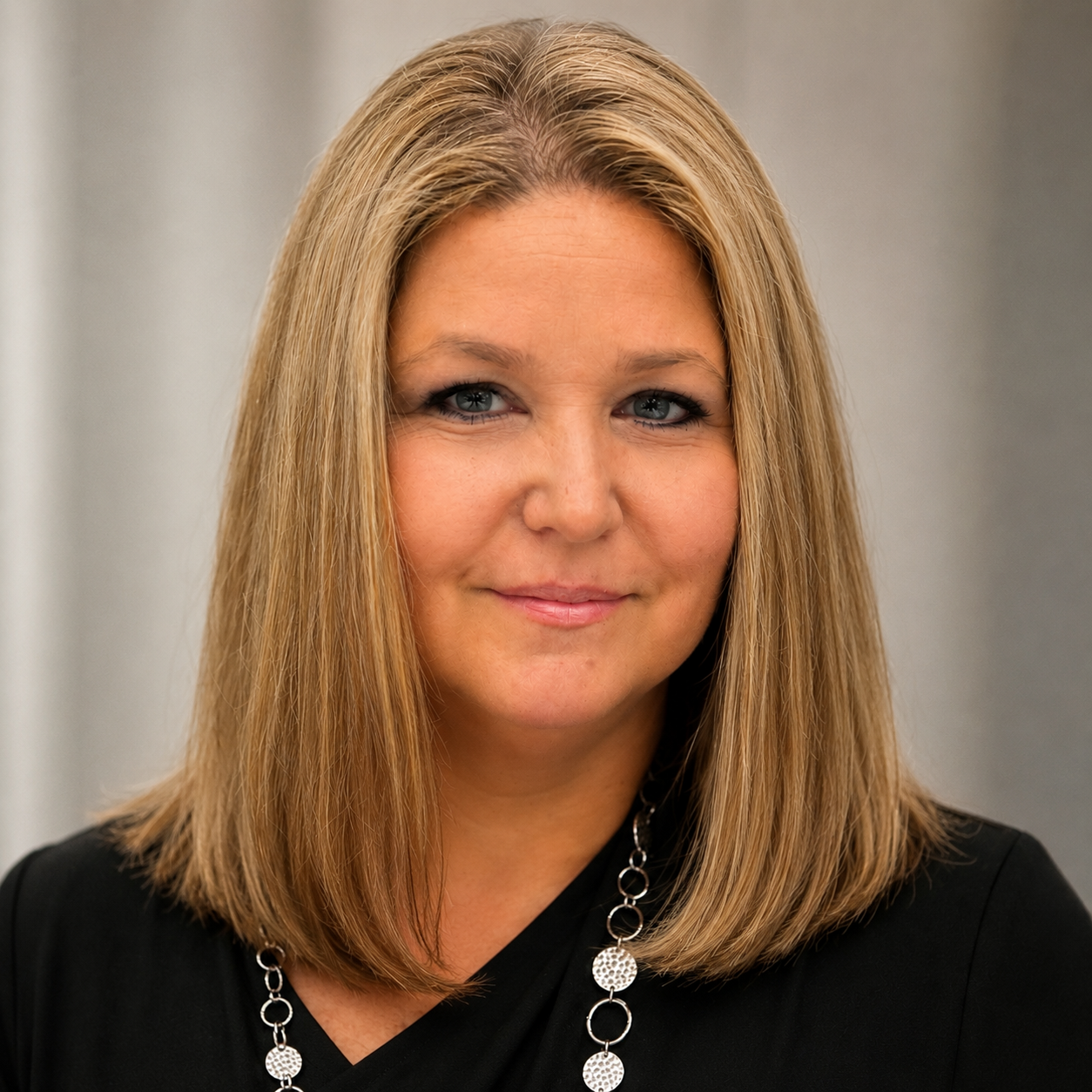
Some of the most important work in transportation happens long before anyone sees a problem. Julie Lawson has spent more than 16 years in transportation and logistics, building a career that has taken her from fraud detection into claims, credit, accounting, risk management, and organizational leadership. Today, she serves as Head of Risk Management, where her work requires her to look beyond the immediate problem and understand the people, patterns, decisions, and systems behind it.
Recently named one of Women In Trucking's 2026 Women to Watch, Lawson is also involved in the organization's mentorship program. Her story is one of growth that did not follow a perfectly mapped-out path, but instead developed through curiosity, opportunity, experience, and learning to recognize strengths in herself that others sometimes saw first.
From Fraud Detection to Transportation
Your career began in fraud detection before you moved into transportation and logistics. Take me back to that first chapter. What initially drew you to investigative work, and what did it teach you about human behavior, patterns, and the small warning signs people often overlook?
I actually got into fraud detection because I was looking for a new opportunity after being laid off. I knew the company offering the position had a great reputation, and the fraud role immediately caught my attention. At the time, fraud was becoming a much bigger issue, and I wanted to be part of helping prevent it however I could. Early in my career, someone told me that I have a very analytical way of thinking, and that has always stuck with me. I've realized that I naturally look beyond what's happening in the moment and think about the bigger picture and what the facts are telling me. That mindset was a perfect fit for investigative work.
Looking back, the lessons I learned in fraud detection are ones I still rely on every day. Beyond analyzing documents and data, I learned to pay close attention to behavior and communication. You begin to recognize patterns and notice when something may require a closer look. While no single reaction tells the whole story, those cues taught me to slow down, ask thoughtful questions, and verify information before making a decision.
How did you make the transition from fraud detection into transportation claims? Was trucking and logistics a deliberate career move, or did you discover the industry along the way?
While I really enjoyed the fraud side of my job, I realized there wasn't much opportunity for career growth. I was working in a call center environment, and advancement opportunities were limited, so I started looking outside the company for a role that offered more of a long-term career path. I ended up applying for a position with a moving company, the same company that had moved my family to Florida years earlier. Because of that experience, I was already familiar with the organization and knew it had a strong reputation and opportunities for growth. At the same time, I recognized that transportation and logistics was a stable, essential industry. No matter what the economy is doing, goods still have to move. That made it an appealing field to build a career in.
Your career has progressed through claims, credit, risk, accounting, and broader organizational leadership. Was there a point when you realized you were no longer simply resolving individual problems, but beginning to understand how entire systems either prevent or create them?
I think that realization really happened after I joined Direct Traffic Solutions. The leadership team recognized my work ethic and the way I approached problems, and they continually challenged me to think at a much higher level. What I appreciated most was that they never tried to change who I was. They simply saw potential in me that I hadn't fully recognized in myself. As I took on more responsibility, I realized I was no longer focused solely on resolving the issue in front of me. I started looking at the bigger picture and asking, "Why did this happen in the first place?" and "What can we learn from it?" That shift changed the way I approach my work. Instead of simply putting out fires, I began looking for broader patterns and opportunities to make the organization stronger. Solving today's problem is important, but applying what you learn is what creates lasting success.
What did working directly with transportation claims teach you about the industry that you could never have learned from a financial statement or risk report?
Working in transportation claims taught me that every shipment has a story behind it, and those stories reveal things that numbers on a financial statement or risk report never can. Financial reports can tell you what happened, but claims can provide important context around why it happened. Being close to claims gave me a firsthand understanding of the challenges drivers, carriers, customers, and brokers face every day. I learned that there are real people behind every load and that even a small breakdown can have significant financial and operational consequences.
Seeing the Risk Others May Miss
When most people hear "risk management" in transportation, they may think about accidents, cargo damage, or insurance claims. What risks are less visible but can be just as damaging to a logistics company?
The first thing that stands out to me is financial risk. People don't always think about how quickly changing payment behavior or financial instability can affect a company. It's important to understand who you are doing business with and make informed decisions. Another major risk is the changing fraud landscape within transportation. The industry has seen an increase in cargo theft, identity manipulation, and other forms of fraud. Companies have to remain alert, stay informed, and continually adapt as new risks emerge.
In your experience, how often does a major loss begin with something that looked small at first: an overlooked discrepancy, weak documentation, a communication gap, a credit decision, a process shortcut, or a pattern no one connected soon enough?
In my experience, many major losses begin with something that seemed small at the time. It's rarely one big mistake. More often, it's a series of warning signs that were overlooked or dismissed. Over the years, I've found that the organizations that are most successful aren't necessarily the ones that never experience problems. They're the ones that recognize concerns early, respond thoughtfully, and learn from each situation before a small issue becomes something much larger.
What is an early warning sign that makes you stop and look closer, even when everyone else may still believe the situation is routine?
One of the biggest lessons I've learned throughout my career is that you have to pay attention to the details. It's often the small things that reveal a much bigger concern. If something doesn't feel right, even if it appears routine, I stop and take a closer look. I also believe in the value of collaboration and getting another perspective. A second set of eyes can help identify something that may otherwise be overlooked.
Claims, Accountability, and Learning From Loss
What separates a claims department that simply closes files from one that actually makes the company safer and stronger?
Understanding the reason behind a claim is what allows an organization to make meaningful improvements. I believe that working diligently to resolve a claim helps strengthen the trust and relationships we have with our customers. Simply closing a file without putting in the effort to understand the situation, communicate effectively, and work toward a fair resolution does not support that relationship. Our customers are a key component of our success, and maintaining their confidence is what helps make the company stronger.
Is speed always the goal in closing a claim, or can pressure to close quickly sometimes work against investigation, fairness, recovery, or learning from what actually happened?
Speed is never the only goal. While claims should be resolved in a timely manner, that should never come at the expense of a thorough and fair review. Every claim deserves the time and attention needed to understand what happened and reach the right outcome. Claims also require collaboration and communication. While customers understandably want answers quickly, it is our responsibility to carefully review the situation before making a decision. If the focus is only on closing a file faster, you can miss the opportunity to identify the root cause, learn from the situation, and improve moving forward.
When a claim occurs, how do you balance accountability with preserving relationships with carriers, customers, and internal teams?
When a claim occurs, I believe accountability and strong relationships can go hand in hand. My focus is on the facts, not placing blame. Not every claim is the carrier's fault, just like not every issue is caused by the customer or an internal team. By identifying the true cause, we can address the issue while maintaining professionalism and respect throughout the process. Being fair, transparent, and consistent builds credibility. Even when the outcome isn't what someone wants to hear, people are more likely to respect the decision when they know the situation was reviewed carefully.
Growth Can Create Risk Too
In a growing logistics company, how difficult is it to balance the desire to win new business with the discipline to say, "This customer, transaction, or opportunity presents more risk than we are willing to accept"?
It can be challenging because every company wants to grow, but growth should never come at the expense of unnecessary risk. Sometimes the hardest decision is saying "no" to a new customer or opportunity, especially when it has the potential to generate revenue. At the end of the day, protecting the company's financial health is just as important as bringing in new business. Making disciplined and informed decisions allows the company to continue growing responsibly.
Have you seen situations where growth itself becomes a risk because systems, controls, communication, or staffing do not mature as quickly as revenue or shipment volume? What are the first signs that a company is outgrowing its processes?
Oh, for sure! I have seen situations where growth itself can become a risk when a company's foundation does not grow at the same pace as revenue or shipment volume. Growth is exciting, but it can also reveal gaps that eventually affect customer service, financial performance, and overall operations. I have personally experienced this challenge in previous roles. As the company grew, it became clear that some of the tools and processes that had worked before were no longer supporting the volume and complexity of the business. That experience reinforced the importance of recognizing when change is needed and being willing to improve how the organization supports continued growth.
Fraud, Technology, and Human Judgment
Your career began in fraud detection, and transportation today is dealing with increasingly sophisticated fraud, cargo theft, identity manipulation, and bad actors exploiting gaps between companies and systems. When you look at today's freight environment through that early fraud-detection lens, what concerns you most?
The freight industry moves quickly, and when companies are focused on capacity and keeping freight moving, there can be pressure to move faster than good judgment allows. One area of concern is how quickly circumstances can change. Fraud prevention cannot be viewed as a one-time responsibility. It requires ongoing awareness, attention, and a willingness to adapt. Staying informed about emerging risks and continuing to strengthen our approach is critical to protecting the company and our customers.
As technology automates more credit decisions, payments, carrier interactions, documentation, and risk screening, where do you believe human judgment remains irreplaceable?
Technology has become an extremely valuable tool in improving efficiency, accuracy, and consistency across many areas of business. However, I believe human judgment remains irreplaceable when it comes to understanding the story behind the data. Systems can identify trends, flag risks, and provide valuable information, but they do not always understand the circumstances behind a situation. Human judgment is also critical when it comes to relationships and decision-making. In transportation, we work with people, not just transactions. Having conversations, asking the right questions, understanding the impact of decisions, and balancing risk with relationships requires experience and critical thinking. Technology can provide information, but it takes people with experience and judgment to interpret it and make the right decisions for the business.
Becoming a Leader
You have spoken publicly about learning not to see every problem in black and white and about bringing solutions, not only problems. How has that shift changed you as a leader, particularly in a field built around rules, controls, numbers, and accountability?
I have learned that effective leadership also requires understanding the people behind those processes. The numbers tell a story, but you have to understand the reason behind the numbers in order to make the right decisions. This shift has made me more collaborative and proactive as a leader. I focus on creating strong communication between teams, identifying opportunities for improvement, and making sure employees understand not only what they are responsible for, but why it matters. Accountability is important, but so is providing the right tools, training, and support for people to be successful.
What is something I did not ask that you wish more people understood about you, women in transportation leadership, accounting and risk, or the invisible decisions that protect a logistics company long before anyone realizes there was a problem to prevent?
One thing I wish more people understood is that many of the most important decisions in a logistics company happen behind the scenes. They're often invisible because the goal is to prevent problems before they ever occur. Success is measured not by the crises everyone sees, but by the ones that never happen. While this work may not always receive recognition, its impact is substantial. The strongest companies are built by people who identify risks early, develop effective solutions, and continuously improve processes long before issues become visible to everyone else.
Leadership isn't about having the loudest voice in the room. It's about asking the right questions, earning trust, making difficult decisions, and having the integrity and confidence to stand behind them. True leaders don't wait for problems to become emergencies; they anticipate them, address them proactively, and create an environment where others can succeed because the right systems are already in place.